
Dog Not Eating: Signs, Costs, and When to Get Help
Dogs may stop eating for many different reasons, from mild stomach upset to a serious illness. Learn the warning signs, treatment options, and how much care can cost.
Why Dogs Stop Eating
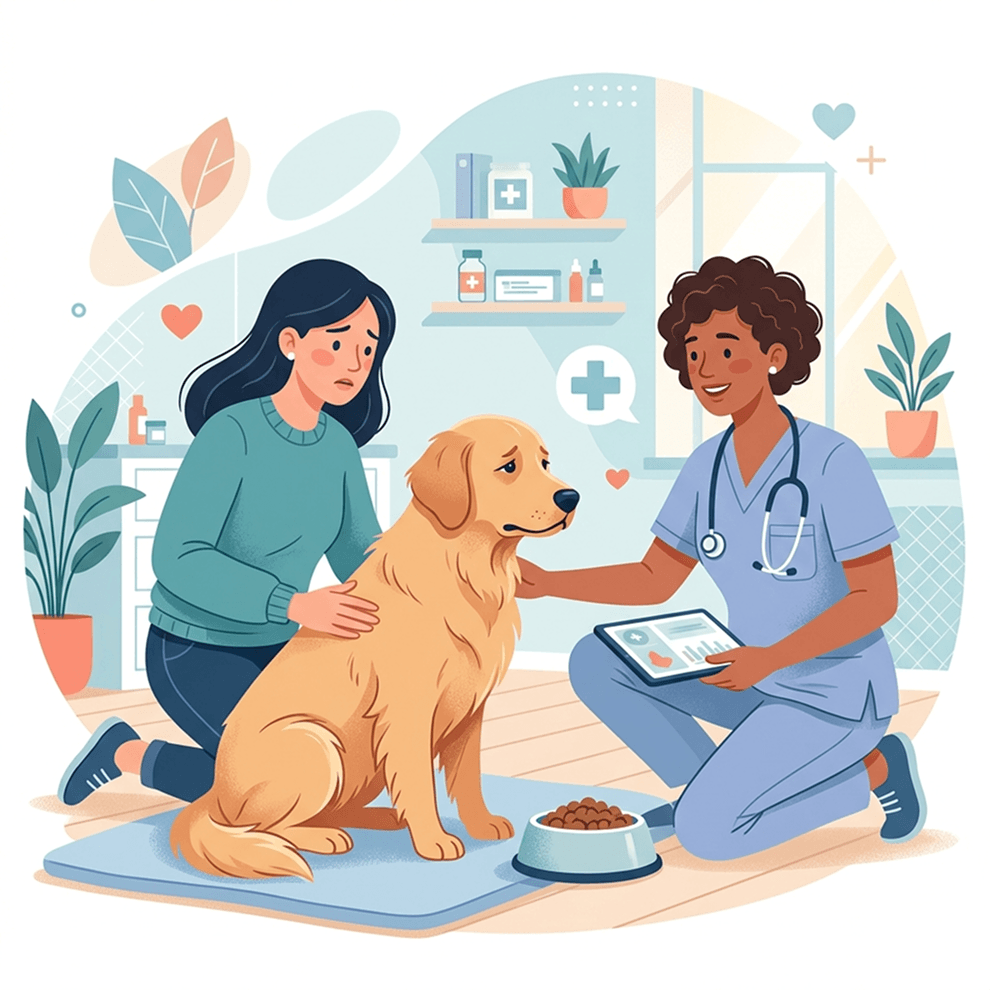
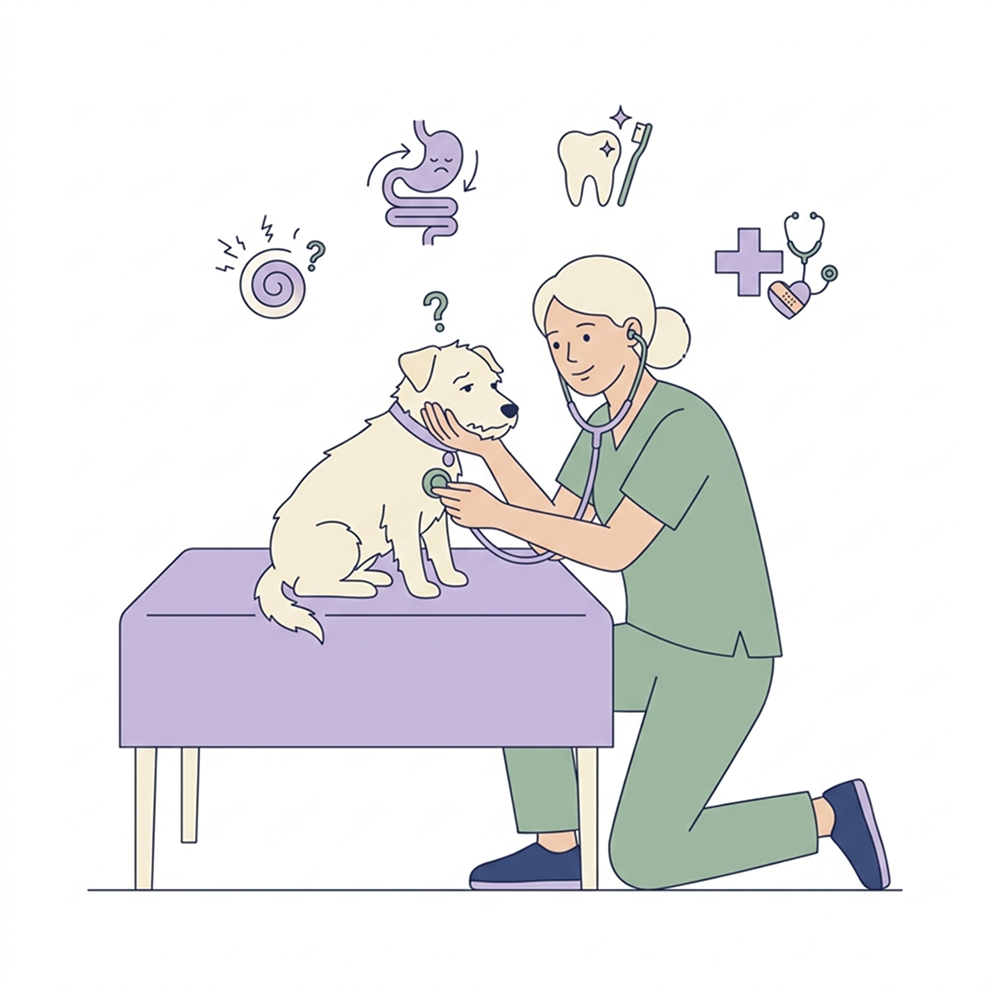
Dogs may stop eating because of pain, stress, stomach problems, dental issues, or an underlying medical condition.
Some dogs refuse food for a short time because they are anxious, picky, or not feeling well, while others may have a more serious issue such as an infection, digestive problem, kidney disease, or another illness. Because a loss of appetite can sometimes be a sign of a more serious condition, early treatment and the right insurance coverage are important.
Common Symptoms to Watch For
Dog not eating often starts gradually. Owners should watch for signs such as:
- Refusing food.
- Eating less than normal.
- Drinking less water.
- Vomiting.
- Diarrhea.
- Weight loss.
- Lethargy.
- Bad breath or trouble chewing
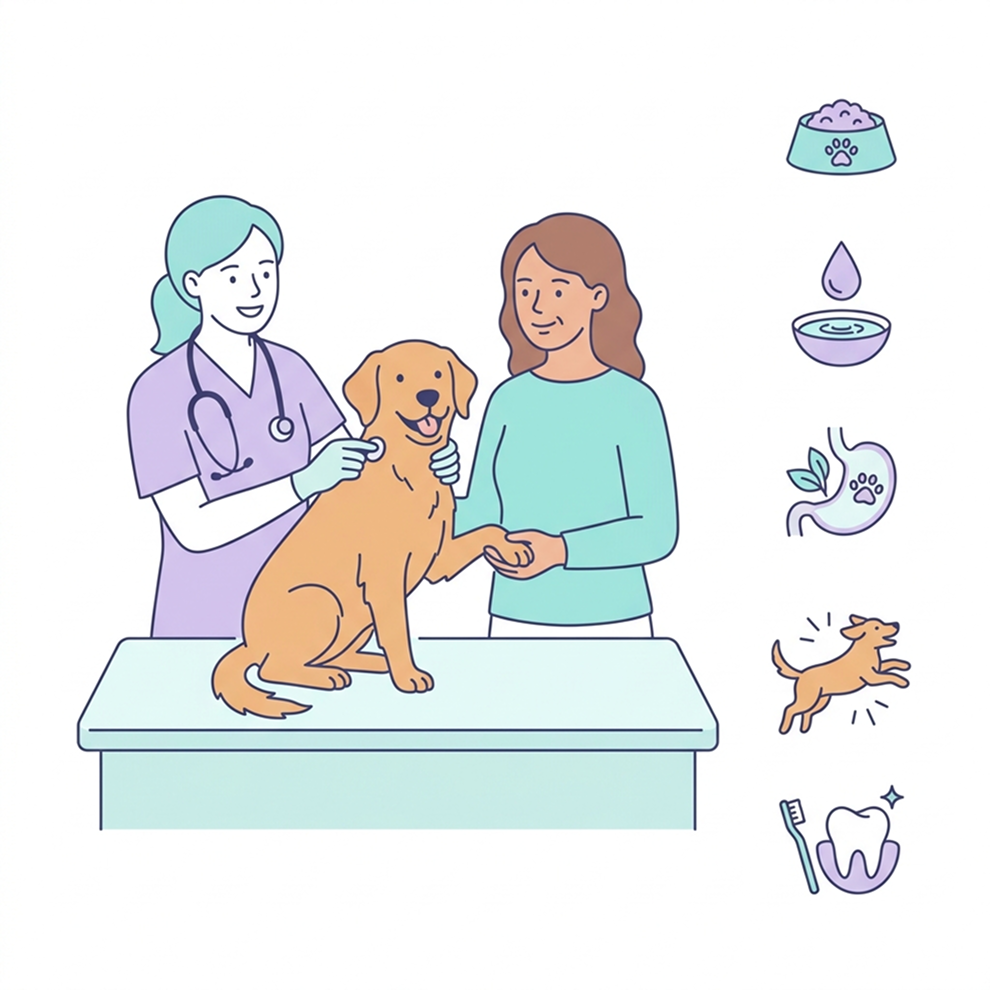
🐾 If your dog is showing any of these symptoms, it is important to contact your veterinarian as
soon as possible.
Types of Problems That Can Cause Loss of Appetite
Stomach Upset
Mild digestive problems, eating something unusual, or a minor illness can cause a dog to stop eating.
Dental Problems
Broken teeth, gum disease, or mouth pain can make eating difficult.
Stress or Anxiety
Travel, moving, loud noises, or changes in routine can sometimes cause dogs to stop eating.
Infection
An infection may cause a dog to lose its appetite and seem tired or sick.
Kidney or Liver Disease
Serious conditions such as kidney disease or liver disease can lead to a loss of appetite.
Intestinal Blockage
If a dog swallows a toy, bone, or another object, it may stop eating because of a blockage.
When to See a Vet
You should contact a vet immediately if your dog:
- ● Has not eaten for more than 24 hours
● Is vomiting repeatedly
● Has severe diarrhea
● Seems weak or collapsed
● Has trouble breathing
● Shows signs of pain
Early treatment can prevent more serious complications and reduce the likelihood of expensive emergency care.
How Dog Not Eating Is Diagnosed
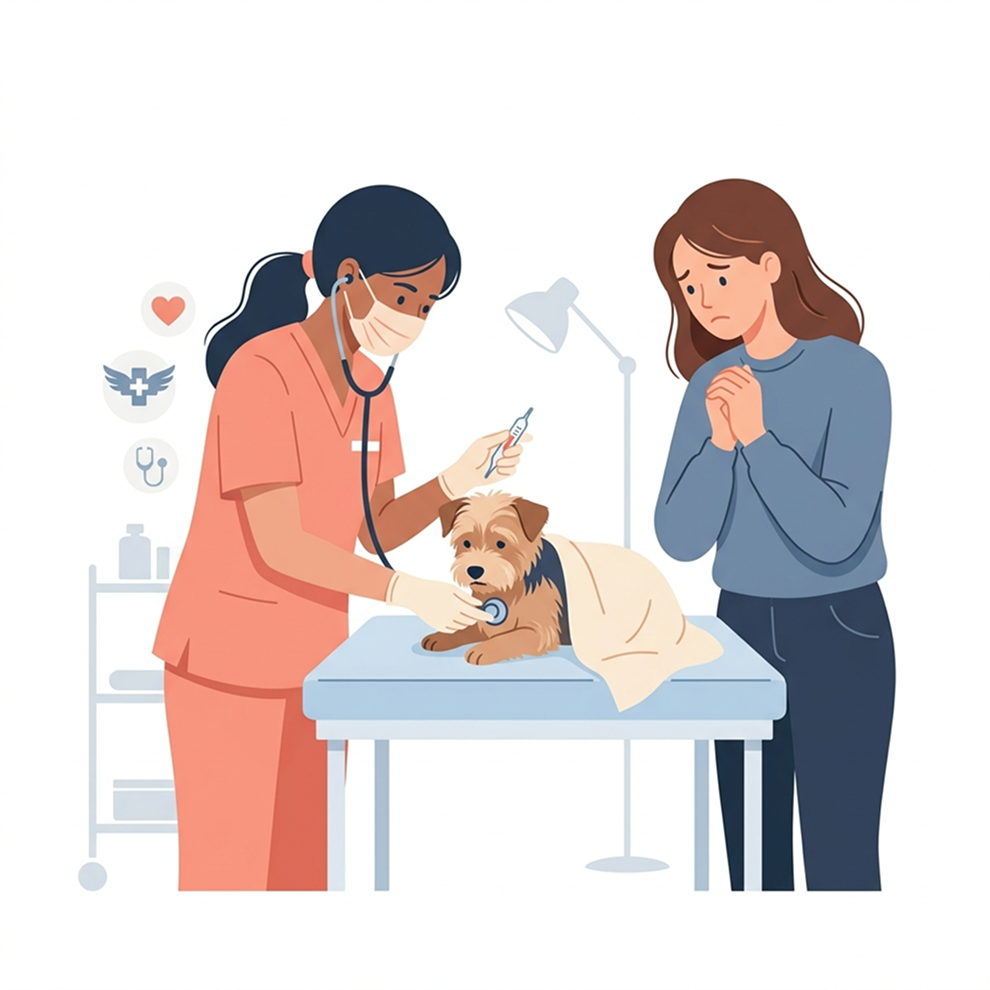
Your vet may use several tests to identify the cause of the loss of appetite, including:
- Physical examination.
- Blood tests.
- Dental examination.
- X-rays.
- Ultrasound.
- Stool sample.
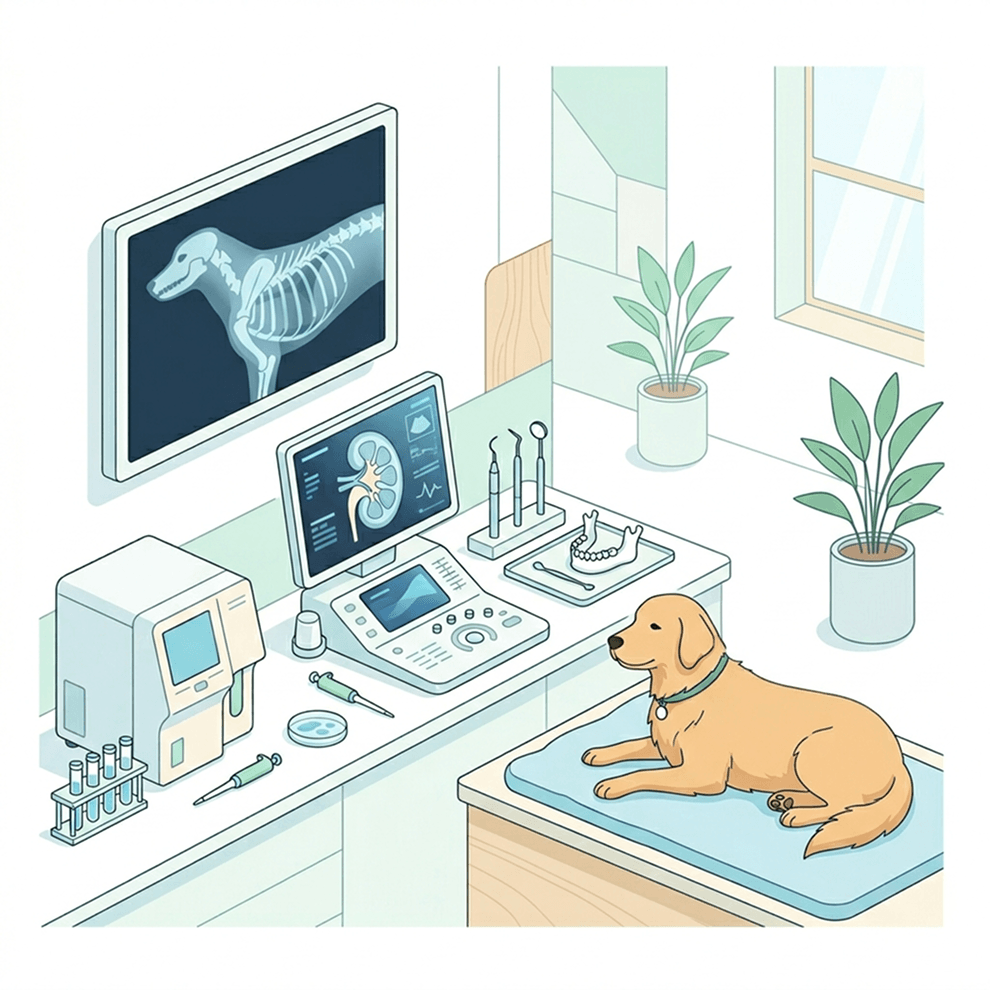
🐾 These tests help determine whether your dog needs medication, diet changes, or more
advanced treatment.
Treatment Options for Dog Not Eating
Treatment for a dog not eating depends on how severe the condition is. Mild cases can often be managed with a bland diet, rest, and medication.
More serious problems may require fluids, hospitalization, prescription medication, dental treatment, or surgery. If the loss of appetite is caused by an infection, blockage, or another illness, additional treatment may be necessary.

Does Pet Insurance Cover Loss of Appetite and Illness?
Many pet insurance plans cover loss of appetite and related health problems in dogs if the condition is not pre-existing.
Coverage often includes:
● Diagnostic testing
● Medication
● X-rays or ultrasound
● Hospitalization
● Surgery
Frequently Asked Questions
The real questions every pet parent asks — straight answers, no runaround.
Dogs sometimes refuse food because of stress, a minor stomach upset, or being picky. However, if the problem continues, your dog should see a vet.
Sometimes. Skipping one meal may not be serious, but not eating for more than a day can be a sign of a serious problem.
Most treatment costs range from $100 to more than $3,000 depending on the cause.
Many plans do, as long as the condition was not pre-existing.
The best time is while your dog is still young and healthy.
Protect Your Dog Before Loss of Appetite Becomes More Expensive
Digestive problems and illnesses can quickly become expensive. The right pet insurance plan can help you avoid large vet bills and get your dog the care it needs.