
Dog Limping Suddenly: Signs, Costs, and When to Get Help
Dogs can start limping suddenly for many different reasons, from a minor paw injury to a serious joint or bone problem. Learn the warning signs, treatment options, and how much care can cost.
Why Dogs Suddenly Start Limping
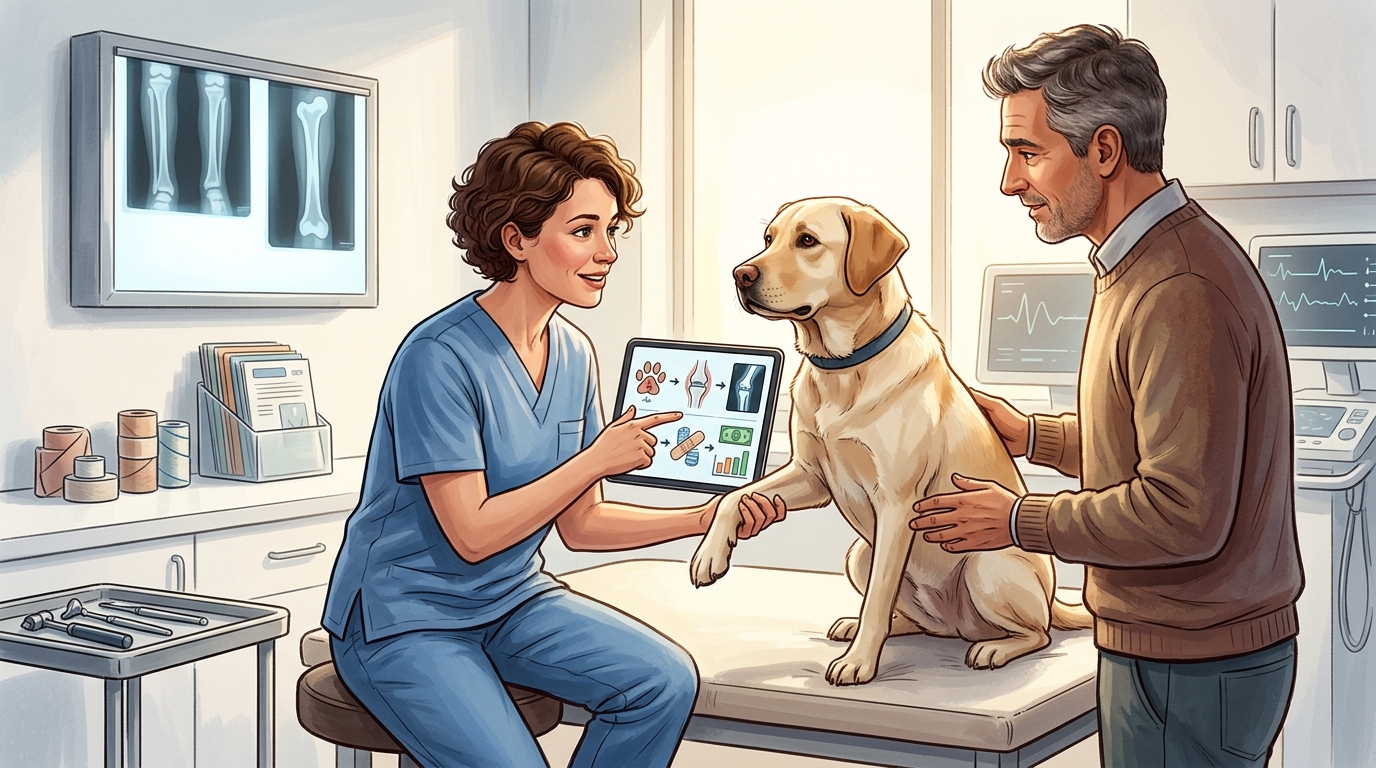
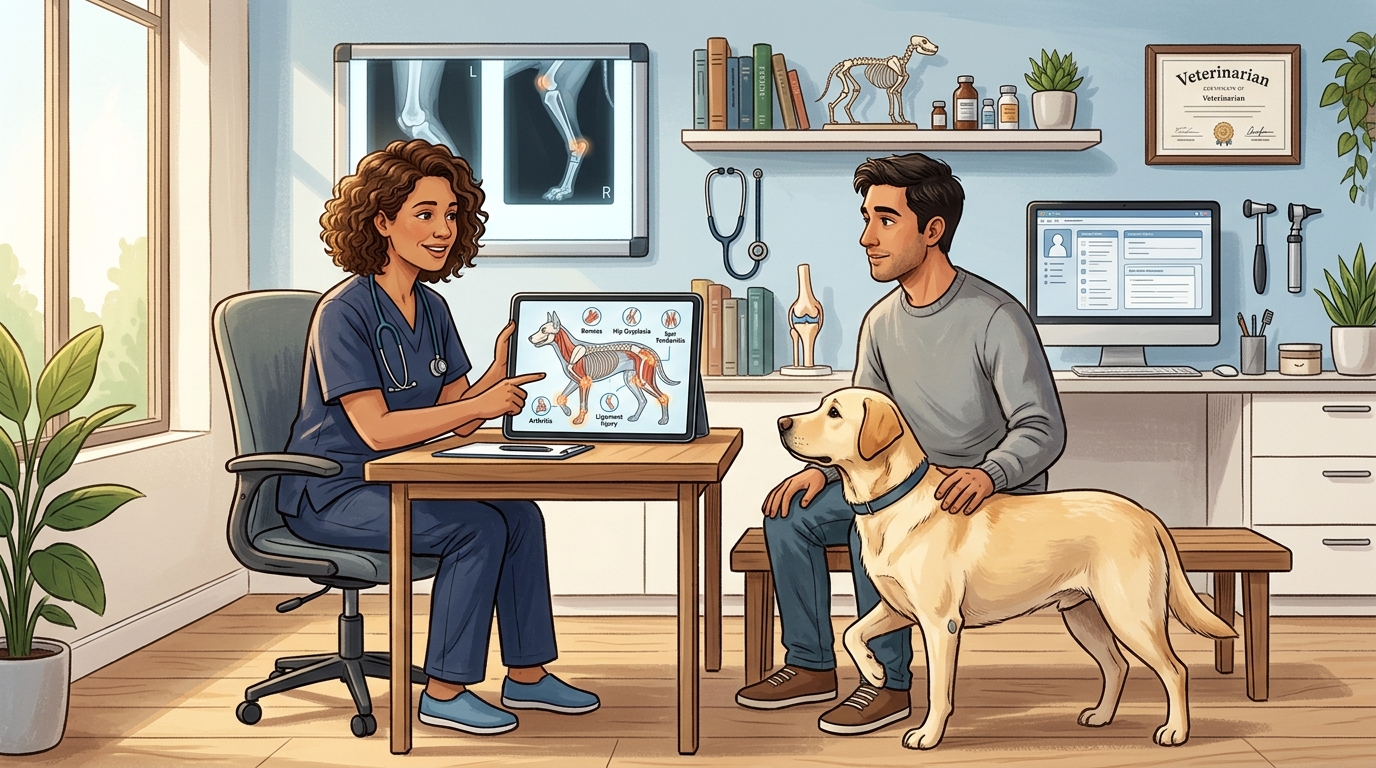
Dogs may suddenly begin limping because of an injury, pain, swelling, or a problem affecting the bones, muscles, joints, or paws.
Some dogs limp after running, jumping, or playing, while others may have an underlying issue such as arthritis, a torn ligament, hip problems, or an injury that is not easy to see.
Because limping can sometimes be a sign of a more serious condition, early treatment and the right insurance coverage are important.
Common Symptoms to Watch For
Dog limping often starts suddenly. Owners should watch for signs such as:
- Limping on one leg.
- Refusing to put weight on the leg
- Swelling in the leg or paw.
- Crying or whining when walking.
- Licking or chewing the leg.
- Difficulty standing up.
- Stiffness.
- Slower movement or reluctance to walk.
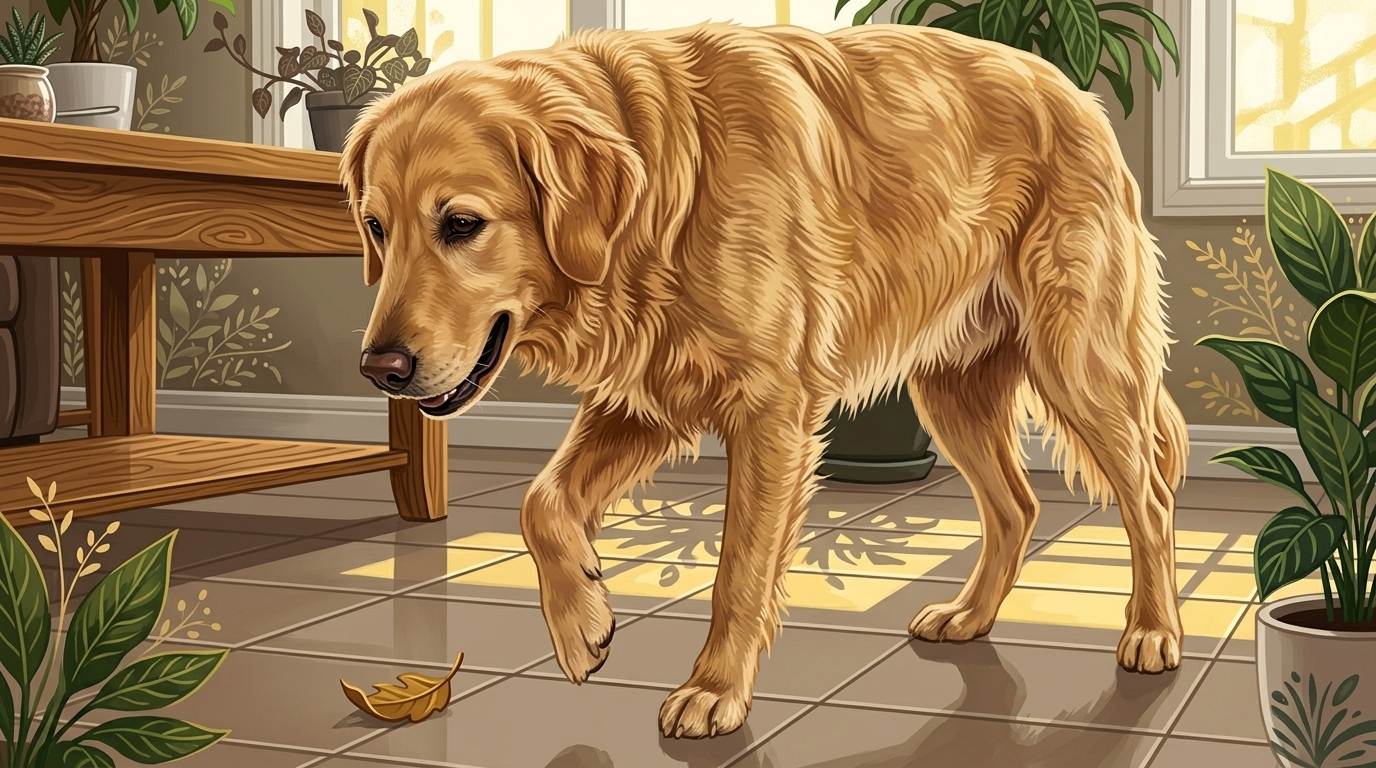
🐾 If your dog is showing any of these symptoms, it is important to contact your veterinarian as
soon as possible.
Types of Problems That Can Cause Sudden Limping
Paw Injury
Dogs may limp suddenly because of a cut, thorn, broken nail, or something stuck in the paw.
Muscle Strain
Running, jumping, or rough play can cause a pulled muscle or strain that leads to limping.
Torn Ligament
A torn ligament, especially the ACL or CCL in the knee, is one of the most common causes of sudden limping.
Arthritis
Older dogs sometimes begin limping suddenly because arthritis pain becomes worse.
Hip Dysplasia
Hip dysplasia can cause sudden limping, especially after exercise or activity.
Broken Bone or Serious Injury
Falls, accidents, or rough activity can lead to a fracture or another serious injury that causes immediate limping.
When to See a Vet
You should contact a vet immediately if your dog:
- ● Cannot walk or stand
- ● Refuses to put any weight on the leg
- ● Has severe swelling
- ● Is crying in pain
- ● Has a visible wound or broken nail
- ● Continues limping for more than 24 hours
Early treatment can prevent more serious complications and reduce the likelihood of expensive
emergency care.
How Sudden Limping Is Diagnosed
Your vet may use several tests to identify the cause of the limping, including:
- Physical examination
- Examination of the paw and leg
- X-rays
- Joint movement testing
- Blood tests
- MRI or other advanced imaging
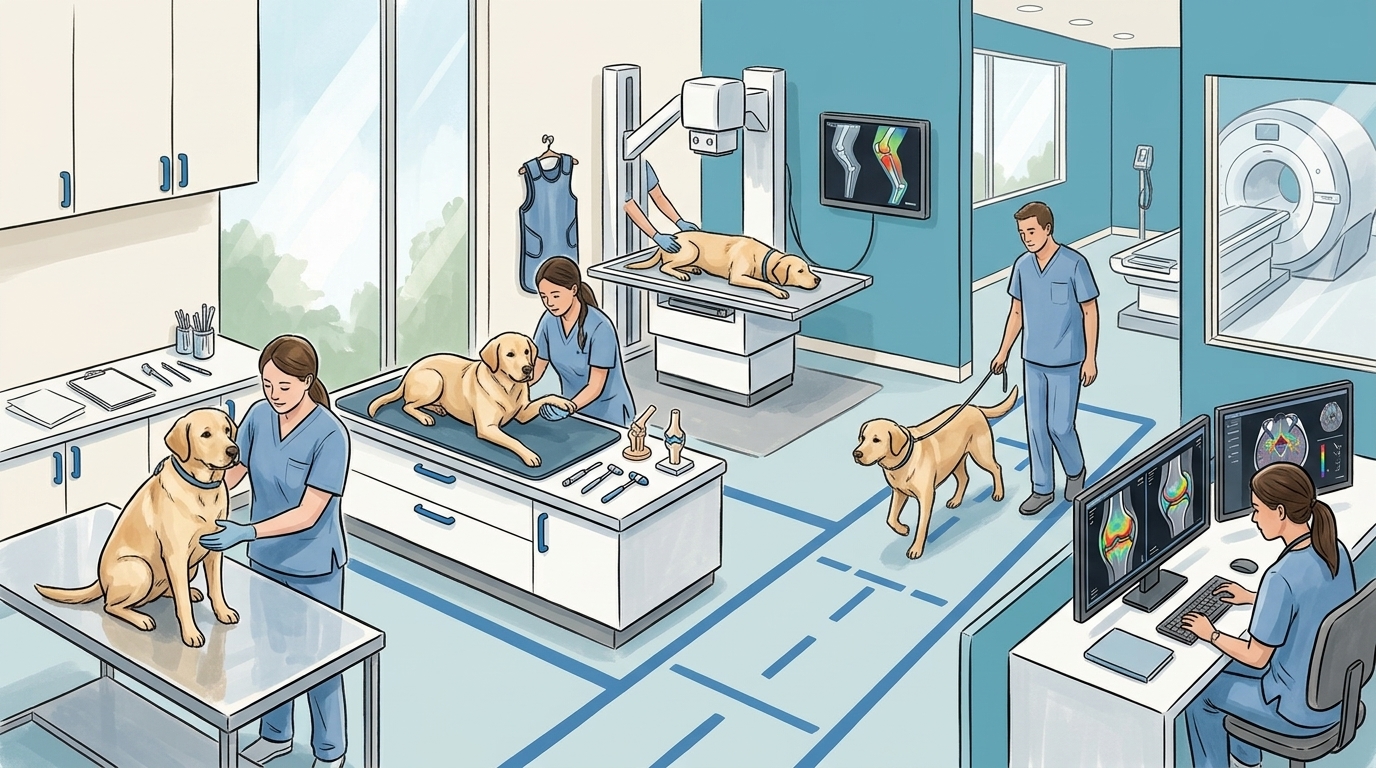
These tests help determine whether your dog needs rest, medication, surgery, or another type
of treatment.
Treatment Options for Sudden Limping
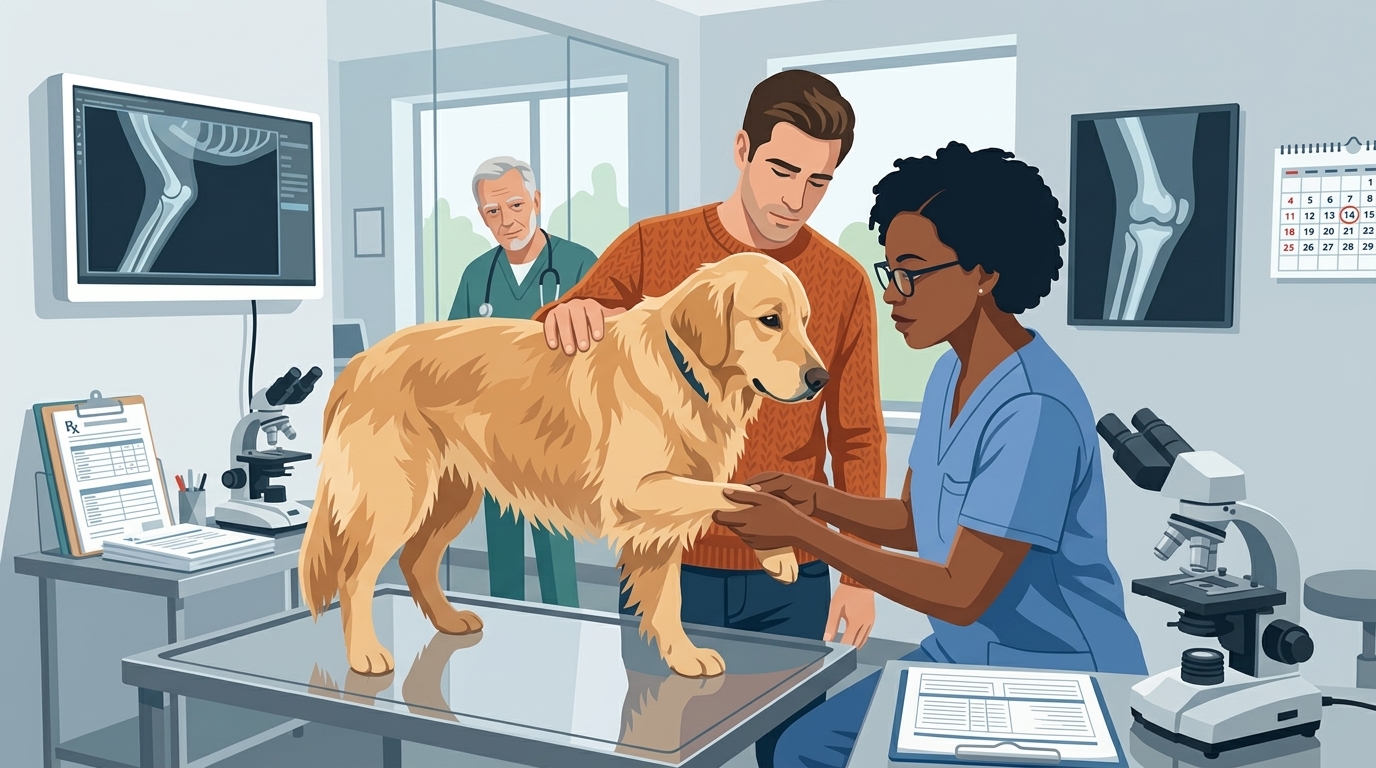
Treatment for dog limping depends on how severe the condition is. Mild cases can often be managed with rest, restricted activity, anti-inflammatory medication, and paw care.
More serious problems may require splints, prescription pain medication, physical therapy, or surgery. If the limping is caused by a torn ligament, broken bone, or hip problem, additional treatment may be necessary.
Does Pet Insurance Cover Limping and Leg Problems?
Many pet insurance plans cover limping, injuries, and joint problems in dogs if the condition is not pre-existing.
Coverage often includes:
● Diagnostic testing
● Medication
● X-rays or MRI
● Surgery
● Follow-up appointments
Frequently Asked Questions
The real questions every pet parent asks — straight answers, no runaround.
Dogs sometimes limp without crying because they are hiding pain. Even mild limping can be a sign of an injury.
Sometimes. Minor paw injuries may heal quickly, but severe limping or swelling can be a sign of a more serious problem.
Most treatment costs range from $100 to more than $5,000 depending on the cause.
Many plans do, as long as the condition was not pre-existing.
The best time is while your dog is still young and healthy.
Protect Your Dog Before Limping Becomes More Expensive
Leg injuries and joint problems are common and can quickly become expensive. The right pet insurance plan can help you avoid large vet bills and get your dog the care it needs.